iceAI Studio vous donne un contrôle total sur les connaissances de vos agents IA et sur la façon dont ils dirigent les clients, favorisant ainsi des résolutions plus rapides et de meilleures expériences.
De la norme PCI-DSS à la certification SOC 2, le centre de contact ice est bâti sur un cadre de conformité qui saura satisfaire votre équipe de sécurité
Comment créer un plan de reprise après sinistre pour centre d'appels
Erina Suzuki
Dernière mise à jour :
March 6, 2025
Un plan de reprise après sinistre pour centre d'appels est crucial pour protéger votre organisation contre une multitude de problèmes. Divers facteurs peuvent perturber les opérations d'un centre d'appels, souvent sans avertissement. Les crises environnementales, les pannes matérielles, les cyberattaques et les erreurs humaines peuvent toutes entraîner des temps d'arrêt imprévus, des problèmes de performance et même des pertes financières.
En fait, une étude a révélé que 70% des pannes soudaines de centres de données survenues en 2023 ont entraîné des coûts de 100 000 $ ou plus. De plus, les pannes imprévues peuvent nuire à la réputation d'une entreprise auprès de ses clients et augmenter le taux de désabonnement, ce qui entraîne des problèmes à plus long terme.
Compte tenu des enjeux si importants, il est crucial pour chaque centre d'appels de mettre en œuvre un plan de reprise après sinistre robuste pour les aider à se remettre des événements imprévus. Dans cet article, nous vous guiderons à travers le processus de création d'un plan de reprise après sinistre efficace pour les centres d'appels, de la réalisation d'évaluations des risques à la mise en œuvre de solutions de sauvegarde et à la garantie de mises à jour régulières.
Comprendre l'importance d'un plan de reprise après sinistre
Un plan de reprise après sinistre efficace pour les centres d'appels est quelque chose qu'aucune entreprise ne peut se permettre d'ignorer. Bien que toutes les parties d'une entreprise puissent rencontrer des problèmes en raison d'événements imprévus, les centres d'appels sont particulièrement vulnérables en raison de leur dépendance à la technologie, à la connectivité et aux ressources humaines.
Les catastrophes naturelles, telles que les ouragans et les inondations, peuvent endommager l'infrastructure des centres d'appels; les cyberattaques peuvent perturber les opérations et compromettre les données des clients; même des problèmes internes comme les pannes de courant peuvent vous empêcher de soutenir vos clients.
Sans plan de reprise après sinistre en place, votre organisation pourrait passer des jours, des semaines, voire des mois à se remettre après un événement majeur. Cela pourrait avoir un impact à long terme sur la performance de votre centre d'appels, entraînant des volumes d'appels et des temps d'attente gonflés, des expériences client diminuées et une perte de confiance.
En fait, selon l'enquête mondiale d'IDC, les pannes qui surviennent sans un plan de reprise après sinistre efficace pour les centres d'appels peuvent entraîner:
Augmentation des coûts: 45% des organisations sont contraintes de demander des heures supplémentaires à leurs employés ou de trouver des ressources additionnelles pour se remettre d'une perturbation.
Diminution de la productivité: Lorsque les employés ne peuvent pas accéder aux données ou aux ressources cruciales, les niveaux de productivité chutent, causant des problèmes importants dans 40% des incidents.
Perte de revenus: L'incapacité d'utiliser efficacement le centre de contact peut entraîner des occasions de vente manquées et un taux de désabonnement des clients dans 35% des incidents.
Perte de données: Parfois, les données perdues lors d'une panne ou d'un événement sont irrécupérables, ce qui prive les entreprises d'informations cruciales pour la formation, l'amélioration et la conformité.
Composantes clés d'un plan de reprise après sinistre pour centre d'appels
Un plan efficace de reprise après sinistre pour centre d'appels décrit toutes les étapes clés que les entreprises doivent suivre pour identifier et atténuer les risques, réagir aux problèmes imprévus et minimiser les pertes. Tout plan efficace de gestion de crise pour centre d'appels devrait inclure les facteurs suivants:
Évaluation et gestion des risques: Un processus clair pour identifier les menaces potentielles aux opérations du centre d'appels, telles que les pannes internes, les cyberattaques entraînant une perte de données, les catastrophes naturelles et les pannes de centres de données.
Analyse d'impact sur les activités: Une analyse d'impact sur les activités (BIA) décrit les conséquences des perturbations opérationnelles, identifie les fonctions commerciales critiques et aide les entreprises à prioriser des stratégies spécifiques de gestion des risques.
Stratégies de reprise: Des guides complets, étape par étape, pour se remettre des problèmes courants. Ces stratégies devraient couvrir un éventail de scénarios, y compris les perturbations mineures et les catastrophes majeures.
Élaboration du plan: Stratégies pour élaborer un plan complet de reprise après sinistre pour les centres d'appels, basé sur la recherche et l'analyse des risques. Les stratégies devraient inclure des instructions claires pour l'activation du plan de reprise et des protocoles de communication.
Tests et maintenance: Des lignes directrices solides couvrant la manière de tester la validité du plan de reprise après sinistre et de s'assurer qu'il reste à jour. Cela pourrait inclure la réalisation d'exercices et l'examen régulier des plans en fonction des résultats.
Guide étape par étape pour créer un plan de reprise après sinistre pour centre d'appels
L'élaboration d'un plan de reprise après sinistre pour centre d'appels peut être complexe. Elle implique souvent la collaboration de diverses parties prenantes à chaque étape de la planification, du développement, de la mise en œuvre et des tests, afin de garantir que la stratégie atteigne son objectif.
Voici les étapes les plus importantes que vous pouvez suivre lors de la conception de votre propre plan.
Étape 1: Effectuer une évaluation des risques
Une évaluation approfondie des risques est souvent la première étape de la mise en œuvre des stratégies de reprise après sinistre pour centre d'appels. Les évaluations des risques impliquent l'identification des risques ou menaces potentiels les plus importants qui pourraient perturber vos opérations. Par exemple, si vous utilisez un centre d'appels infonuagique, une panne de centre de données ou d'Internet pourrait poser un risque important pour vos processus.
Si les centres de données de votre centre d'appels sont situés dans des régions du monde fréquemment exposées à des événements météorologiques extrêmes comme les inondations et les tempêtes, les catastrophes naturelles pourraient constituer une menace importante. La plupart des dirigeants de centres d'appels devront également tenir compte des menaces internes courantes, telles que les problèmes causés par l'erreur humaine, les pénuries de personnel ou même le sabotage interne.
Une fois que vous avez identifié tous les risques pertinents pour votre centre d'appels, l'étape suivante consiste à les organiser dans une « matrice des risques », en identifiant la probabilité et l'impact sur votre organisation. Cela implique souvent d'analyser les données historiques (pour rechercher des tendances), les rapports de l'industrie et les tendances actuelles de votre secteur.
Étape 2: Effectuer une analyse d'impact sur les activités
Une fois que vous avez effectué une évaluation approfondie des risques, l'étape suivante consiste généralement à réaliser une « analyse d'impact sur les activités » (AIA). Il s'agit d'un processus qui vous aide à déterminer quelles fonctions sont essentielles à votre centre d'appels. Par exemple, pour optimiser l'expérience client et garantir que les appels sont acheminés efficacement, vous devrez vous assurer que votre système de réponse vocale interactive fonctionne efficacement.
Si vous comptez beaucoup sur les campagnes sortantes pour les ventes ou le service proactif, tout problème avec vos systèmes sortants pourrait nuire considérablement à vos opérations. Examinez attentivement les fonctions essentielles qui permettent à vos équipes de vente et de service client de fonctionner efficacement.
Une fois que vous avez identifié vos fonctions commerciales critiques, déterminez l'impact que des perturbations potentielles auraient sur ces fonctions et sur l'ensemble de votre entreprise. Par exemple, si le centre de données qui vous permet d'accepter des appels infonuagiques de clients en Amérique du Nord tombe en panne, vous risquez un arriéré important de demandes de clients, ce qui peut nuire à la réputation de votre marque et entraîner une perte potentielle d'affaires.
Pour quantifier l'impact, n'oubliez pas de prendre en compte des facteurs influents tels que la durée de la perturbation, le nombre de clients affectés et les répercussions financières. Ces informations vous aideront à prioriser vos efforts de récupération.
Étape 3: Élaborer des stratégies de récupération
L'élaboration de stratégies de récupération consiste à déterminer exactement comment vous allez réagir à chaque perturbation ou catastrophe. La plupart des centres d'appels devront réfléchir attentivement à:
La récupération des données: Comment restaurerez-vous l'accès aux données critiques? Avez-vous déjà mis en place des solutions de sauvegarde de données robustes pour garantir la protection des informations critiques? À quelle vitesse pourrez-vous accéder à nouveau aux données dont vous avez besoin si elles sont volées ou endommagées?
La communication: À quoi ressemblera votre plan de communication en cas de catastrophe? Avez-vous un plan clair pour savoir comment vous allez joindre les membres du personnel? Quels canaux de communication utiliserez-vous, et avez-vous des alternatives en place? Par exemple, comment communiquerez-vous avec votre équipe si Microsoft Teams tombe en panne?
Opérations: Quelles stratégies opérationnelles pouvez-vous maintenir pour assurer la continuité des activités? Avez-vous des systèmes de basculement en place si votre centre de contact Microsoft Teams natif cesse de fonctionner? Pouvez-vous rediriger les appels vers différents sites si nécessaire?
Dans le cadre de votre stratégie de reprise, assurez-vous d'avoir des plans en place pour la mise en œuvre de technologies qui soutiendront vos plans de reprise après sinistre pour centre d'appels. Les solutions de sauvegarde et de stockage infonuagiques peuvent aider à atténuer les risques de perte de données et offrir des protections contre les violations et les attaques.
Étape 4: Élaborer le plan de reprise après sinistre
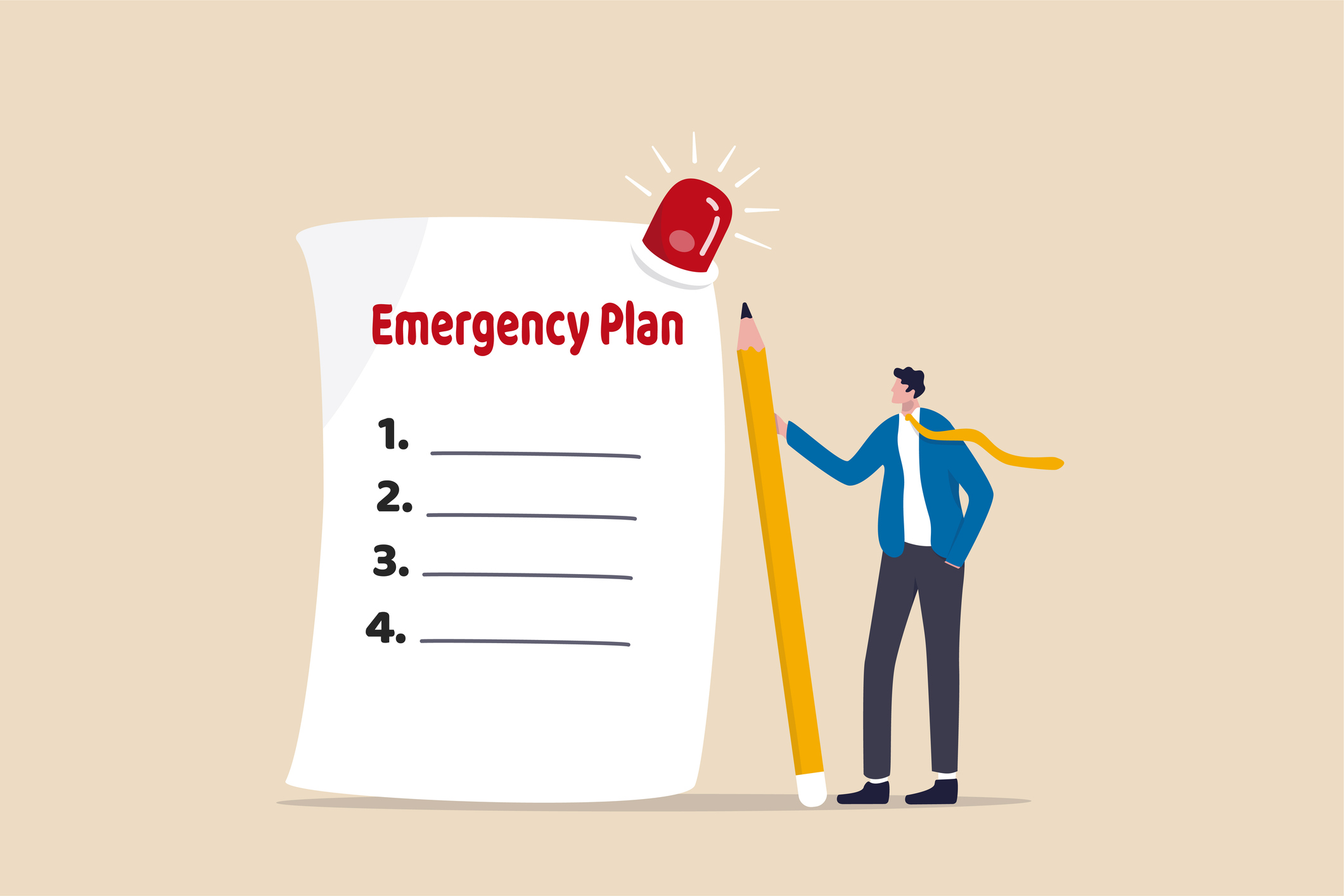
En vous basant sur toutes les informations que vous avez recueillies jusqu'à présent, vous pouvez maintenant commencer à élaborer votre plan complet de reprise après sinistre pour centre d'appels. Cela implique la création d'un document qui décrit vos stratégies de reprise, les rôles et responsabilités des membres de l'équipe, et votre plan de communication. Assurez-vous que votre plan est clair et concis, avec des directives étape par étape sur ce qu'il faut faire avant, pendant et après la survenue d'une catastrophe.
Assurez-vous que ce document est facilement accessible, en l'ajoutant à votre base de connaissances d'entreprise et à tous les outils ou ressources auxquels les membres de votre équipe accèdent régulièrement. N'oubliez pas d'être précis quant aux rôles et responsabilités de chacun de vos employés. Attribuez des tâches de reprise spécifiques à des individus et à des équipes, et assurez-vous que votre personnel sait clairement à qui il doit rendre compte en cas d'urgence.
De plus, assurez-vous que votre plan de communication est clairement défini. Établissez des canaux de communication primaires et secondaires pour partager des informations avec les employés, les clients et les parties prenantes. Prérédigez des messages d'alerte pour différents scénarios afin d'accélérer les communications lorsque des événements se produisent et créez une liste de contacts à jour.
Étape 5: Tester et maintenir le plan
Enfin, il est temps de tester votre plan de reprise après sinistre pour centre d'appels. Les tests sont le moyen de vous assurer que vous adoptez une approche globale et efficace de la gestion des urgences dans les centres de contact. Ne testez pas votre plan une seule fois; effectuez des exercices et des simulations réguliers qui reflètent de manière réaliste les incidents auxquels vous pourriez être confronté.
Ces exercices permettront à vos équipes de s'exercer à mettre en œuvre le plan dans un environnement contrôlé et de vous assurer que vous pouvez identifier tout problème que vous auriez pu négliger. Vous pouvez effectuer des exercices planifiés et non planifiés, pour évaluer la préparation de votre équipe, et simuler une série de scénarios de catastrophe, des cyberattaques aux pannes de courant, afin de vous assurer que votre stratégie est complète.
Même si votre plan semble fonctionner parfaitement, ne l'oubliez pas. Un plan de reprise après sinistre pour centre d'appels doit être un document dynamique et évolutif qui est régulièrement mis à jour pour rester efficace. Examinez le plan périodiquement, et après toute perturbation majeure ou tout changement organisationnel. Intégrez les leçons tirées de vos exercices dans vos efforts de mise à jour de votre plan.
Meilleures pratiques pour la planification de la reprise après sinistre des centres d'appels
La création et la mise en œuvre d'un plan de reprise après sinistre efficace pour les centres d'appels est un processus qui exige une réflexion stratégique méticuleuse et un engagement continu. Voici quelques-unes des meilleures pratiques pour assurer un plan de reprise après sinistre efficace.
Effectuez des évaluations complètes des risques: Ne vous concentrez pas uniquement sur les dernières menaces émergentes dans votre centre d'appels lorsque vous effectuez des évaluations des risques (comme les nouveaux défis causés par la mise en œuvre de l'IA). Tenez compte de tout ce qui pourrait potentiellement avoir un impact sur vos opérations et utilisez une matrice des risques pour prioriser les menaces en fonction de leur impact et de leur probabilité.
Mettez régulièrement à jour votre BIA: Les fonctions commerciales les plus cruciales pour votre centre d'appels sont susceptibles d'évoluer avec le temps à mesure que vous mettez en œuvre de nouvelles technologies et de nouveaux processus. Assurez-vous de mettre à jour ces évaluations régulièrement, à mesure que votre organisation évolue.
Utilisez une documentation claire: Documentez chaque partie de votre plan de reprise après sinistre du centre d'appels de manière claire et concise. Incluez des instructions détaillées pour les procédures de reprise, les protocoles de communication et les stratégies opérationnelles.
Optimisez votre plan de communication: Pour tenir les employés, les parties prenantes et les clients informés, protéger votre réputation et rester conforme aux réglementations de l'industrie, vous avez besoin d'un plan de communication solide. Assurez-vous d'avoir des canaux de communication primaires et secondaires clairement définis et de maintenir les informations de contact à jour.
Tirez parti de la technologie: Profitez de la technologie à votre disposition, tels que les outils de surveillance et d'analyse qui peuvent offrir des aperçus sur les menaces émergentes, et les systèmes de sauvegarde de données basés sur le cloud. Utilisez des mécanismes de basculement pour centre de contact afin de vous assurer de ne jamais être sans moyen de communiquer avec vos clients.
Pièges courants à éviter
Tout comme il est important de suivre les bonnes pratiques avec votre plan de reprise après sinistre du centre d'appels, il est également crucial d'être conscient des pièges courants, tels que:
Tests irréguliers: Ne pas tester régulièrement votre plan de reprise après sinistre et examiner la performance de votre équipe dans différents scénarios peut entraîner des problèmes importants. Engagez-vous à effectuer régulièrement des exercices, des tests et des simulations. Par exemple, vous pourriez effectuer un test simulant ce qui se passerait si votre centre de contact subissait une violation de données.
Mises à jour peu fréquentes: Votre centre d'appels et les risques auxquels vous êtes confronté évolueront avec le temps. Ne pas mettre à jour votre plan de reprise peut le rendre inefficace. Assurez-vous de mettre à jour et de réviser votre plan régulièrement pour éviter les lacunes dans votre stratégie.
Négliger la formation: Sans la bonne formation, les employés pourraient avoir du mal à exécuter un plan efficacement lors d'un sinistre. Des séances de formation et des exercices réguliers sont essentiels pour s'assurer que vos équipes connaissent leurs rôles et comment réagir aux problèmes.
Allocation inadéquate des ressources: Ne sous-estimez pas l'importance d'attribuer les bonnes ressources pour la planification de la reprise après sinistre. Assurez-vous d'allouer suffisamment de temps, de budget et de personnel à votre stratégie.
N'oubliez pas l'amélioration continue et la formation
Plus important encore, n'oubliez pas que la clé d'un plan de reprise après sinistre efficace pour centre d'appels est de se concentrer sur l'optimisation et l'amélioration constantes. Cela signifie offrir la bonne formation et les bonnes directives aux membres de l'équipe pour s'assurer qu'ils connaissent les meilleures pratiques et leurs rôles, effectuer des tests et des rapports d'analyse post-exercice, et réviser fréquemment votre plan.
Restez informé des nouveaux risques et menaces émergents dans le paysage des centres d'appels, et communiquez régulièrement avec les parties prenantes pour vous assurer d'être préparé à chaque problème potentiel.
Maîtriser la planification de la reprise après sinistre du centre d'appels
La planification efficace de la reprise après sinistre d'un centre d'appels n'est pas seulement une initiative stratégique importante pour les dirigeants d'entreprise; elle est cruciale pour vous assurer de pouvoir protéger vos ressources, vos clients et la réputation de votre marque. Suivre les étapes ci-dessus vous aidera à élaborer une stratégie efficace qui renforce les capacités et informe votre équipe, tout en protégeant votre organisation contre les risques émergents.
La bonne technologie peut également améliorer votre stratégie de reprise après sinistre, en vous fournissant les ressources nécessaires pour gérer les perturbations, réduire les risques et maintenir l'alignement de votre équipe.
Contactez ComputerTalk pour découvrir comment nous pouvons vous aider à optimiser votre plan de reprise après sinistre grâce à notre technologie infonuagique intuitive.
Abonnez-vous à notre infolettre
Merci d'avoir communiqué avec ComputerTalk !
Nous prendrons contact avec vous sous peu. Il y a aussi un bouton de discussion maintenant dans le coin inférieur droit du site Web, si vous souhaitez nous parler immédiatement.
Oups! Une erreur est survenue lors de l'envoi du formulaire.
%20-%20Google%20Ads.png)